Not all restaurants need the same point of sale. A thirty-seat tasting menu restaurant and a two-hundred-seat fast-casual chain have different rhythms, different staffing models, and different guest expectations. The wrong POS creates friction. The right POS disappears.
Fine dining: detail first
In a fine-dining environment, the guest experience is long and complex. Courses fire on timed intervals. Wine pairings change mid-meal. Dietary restrictions are the rule, not the exception. Your POS needs to handle modifiers, courses, and pacing with precision. Speed matters less than accuracy.
Quick service: throughput first
In quick service, the metric is orders per minute. Guests expect to pay and receive food within minutes. Your POS needs to minimize taps, support mobile ordering, and integrate with kitchen displays that can handle high-volume ticket queues. Every extra second at the register costs you customers during rush.
Casual dining: balance
Casual dining sits in the middle. You need table management, split checks, and the ability to handle large parties — but you also need speed during peak hours. Look for a POS that lets you toggle between detailed service and fast service depending on the moment.
The integration test
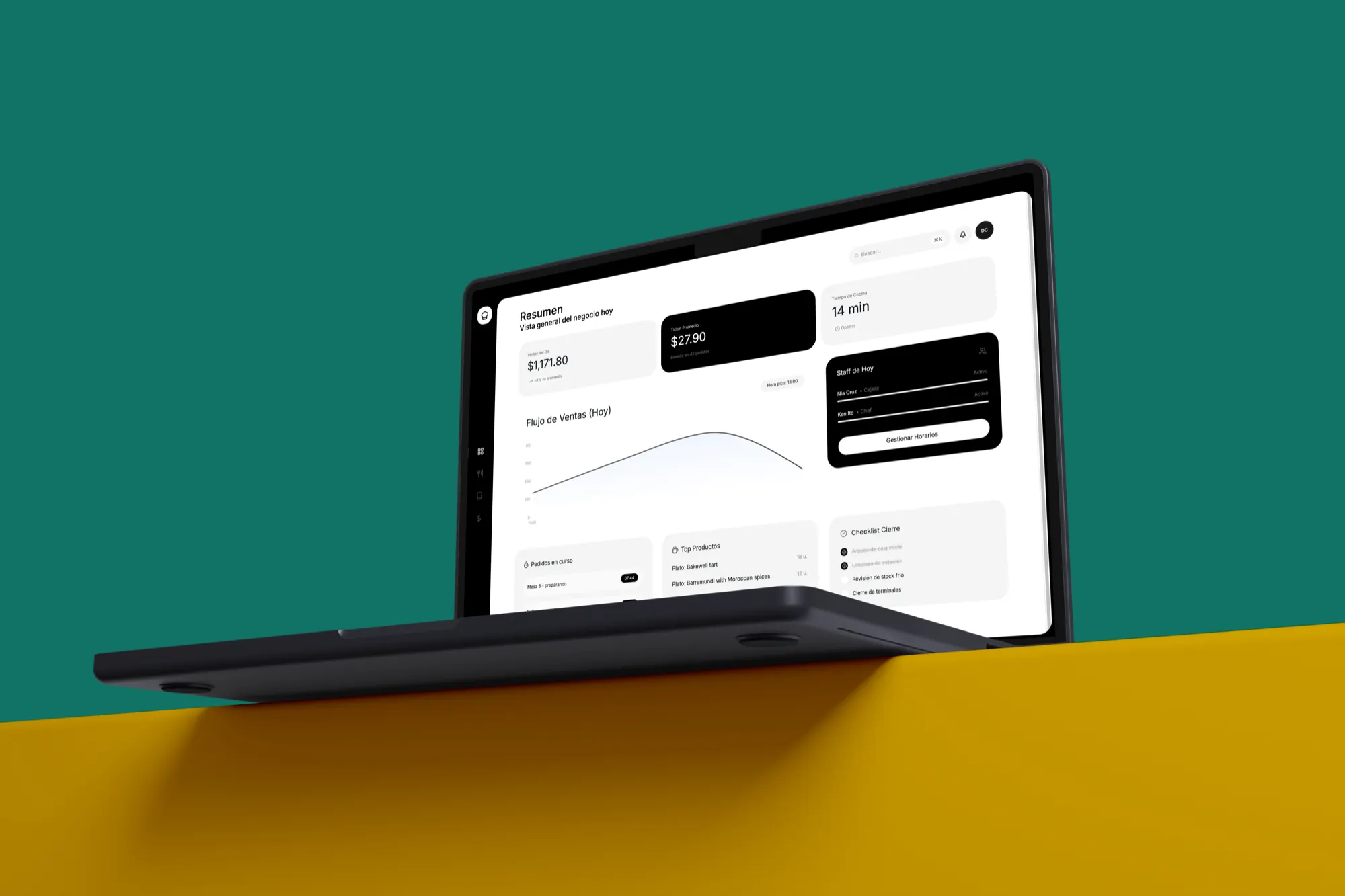
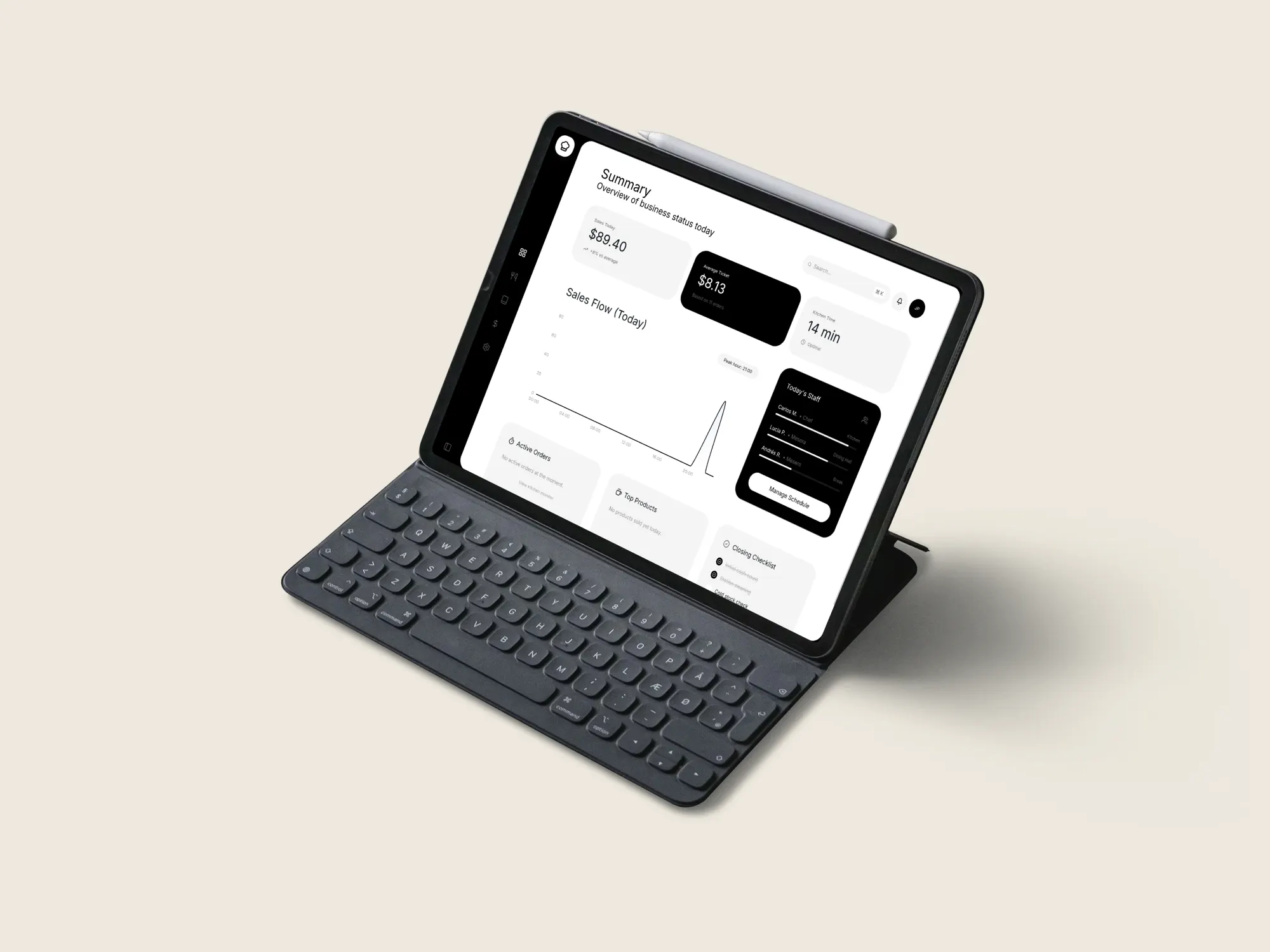
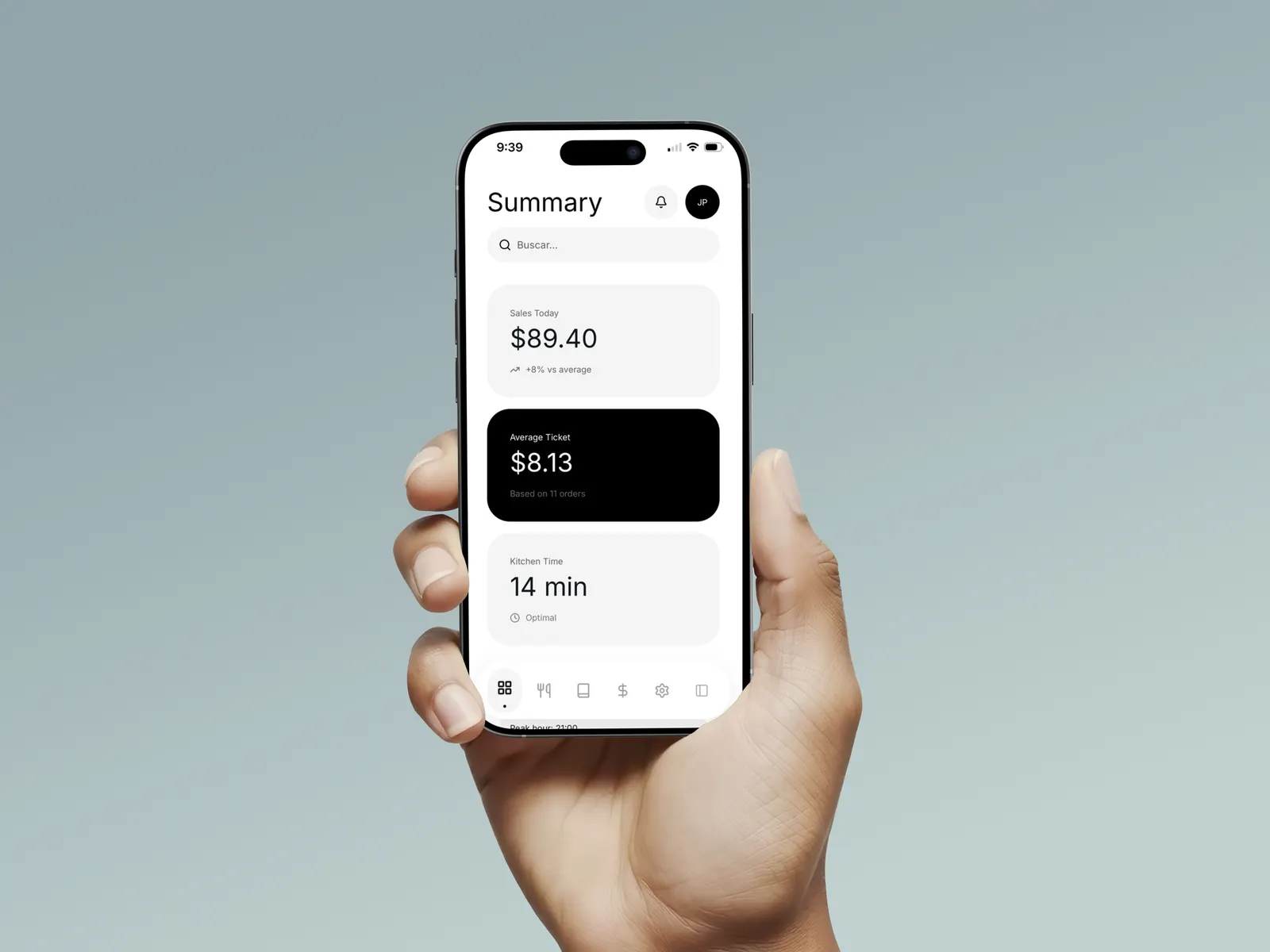
Regardless of your restaurant type, your POS should talk to the rest of your stack. Kitchen display, inventory, scheduling, and analytics should all share the same data. If your POS is an island, you will spend your evenings exporting spreadsheets and reconciling numbers by hand.
The best POS is the one your team actually uses. If they are finding workarounds, it is the wrong tool.