Every restaurant has a story about the Friday night that went sideways. A ticket disappears between the POS and the expo station. A server rings in table six's order twice. The kitchen fires a dish that was supposed to be gluten-free. These are not edge cases — they are the daily cost of running a kitchen on memory, paper, and hope.
The real cost of a lost order
When an order is lost, the damage is more than the ingredients. The guest waits longer. The server has to return to the table and apologize. The kitchen stops the line to remake the dish. One lost ticket can cascade into a fifteen-minute delay for every table after it. Over a month, those delays eat into turns, tips, and reviews.
Why most fixes fail
Restaurants often try to solve this by adding more people. Another server to double-check tickets. Another manager to run food. Another clipboard to track every modifier. But people are not the bottleneck — information is. When the order lives on paper, it can be dropped, misread, or buried under a stack of duplicates. When the kitchen has to shout across a noisy line, details get lost in translation.
A system that actually works
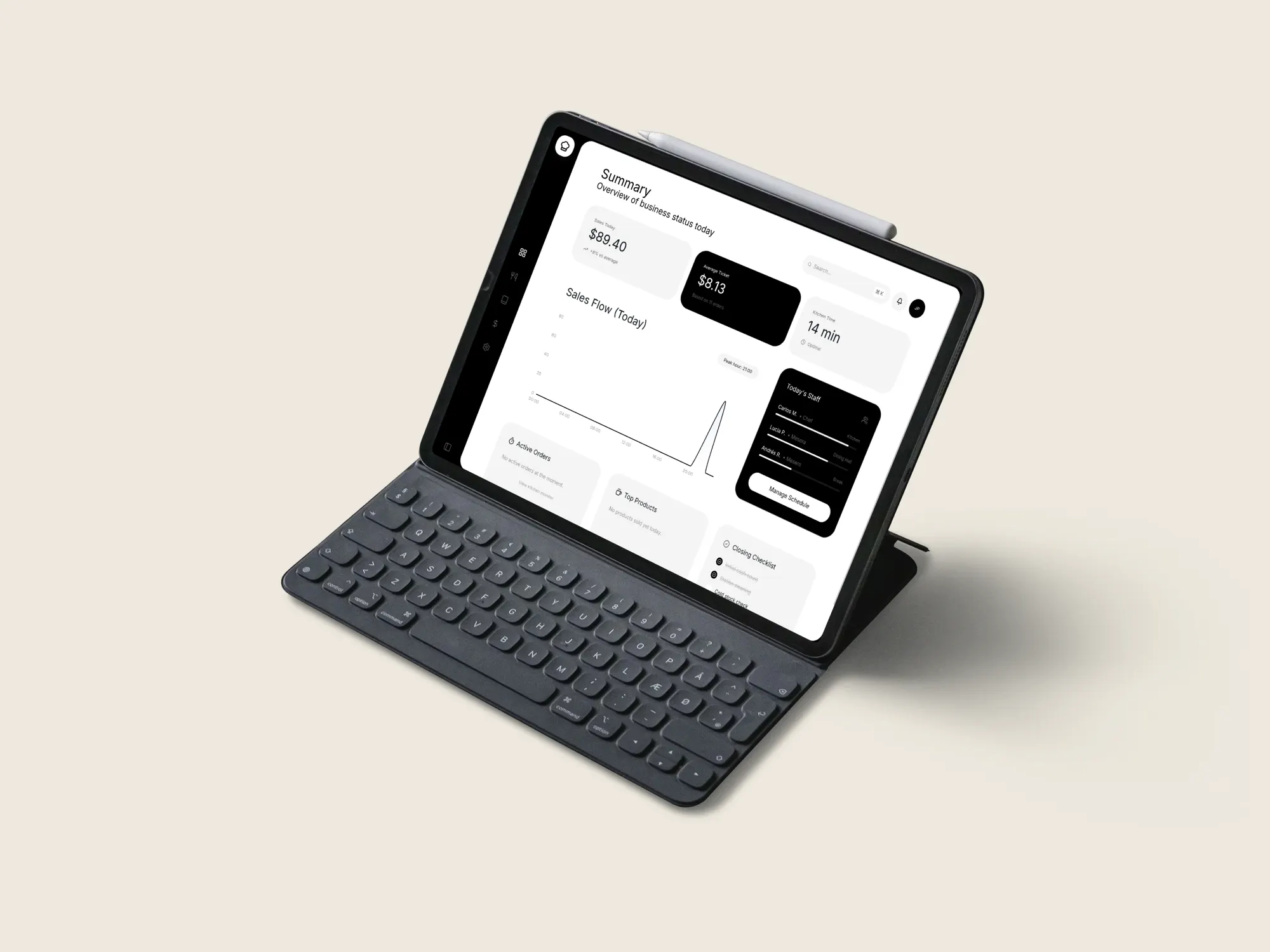
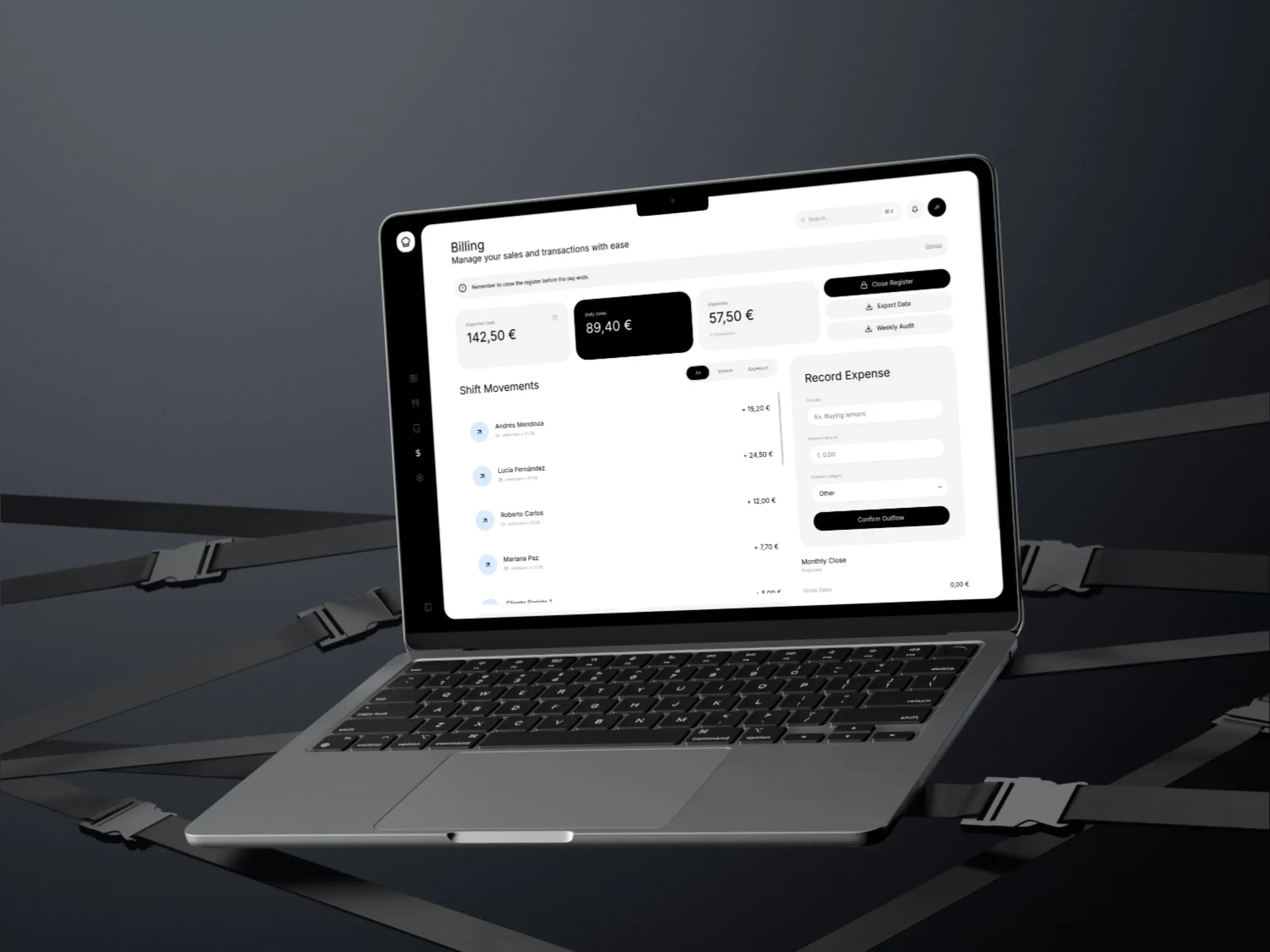
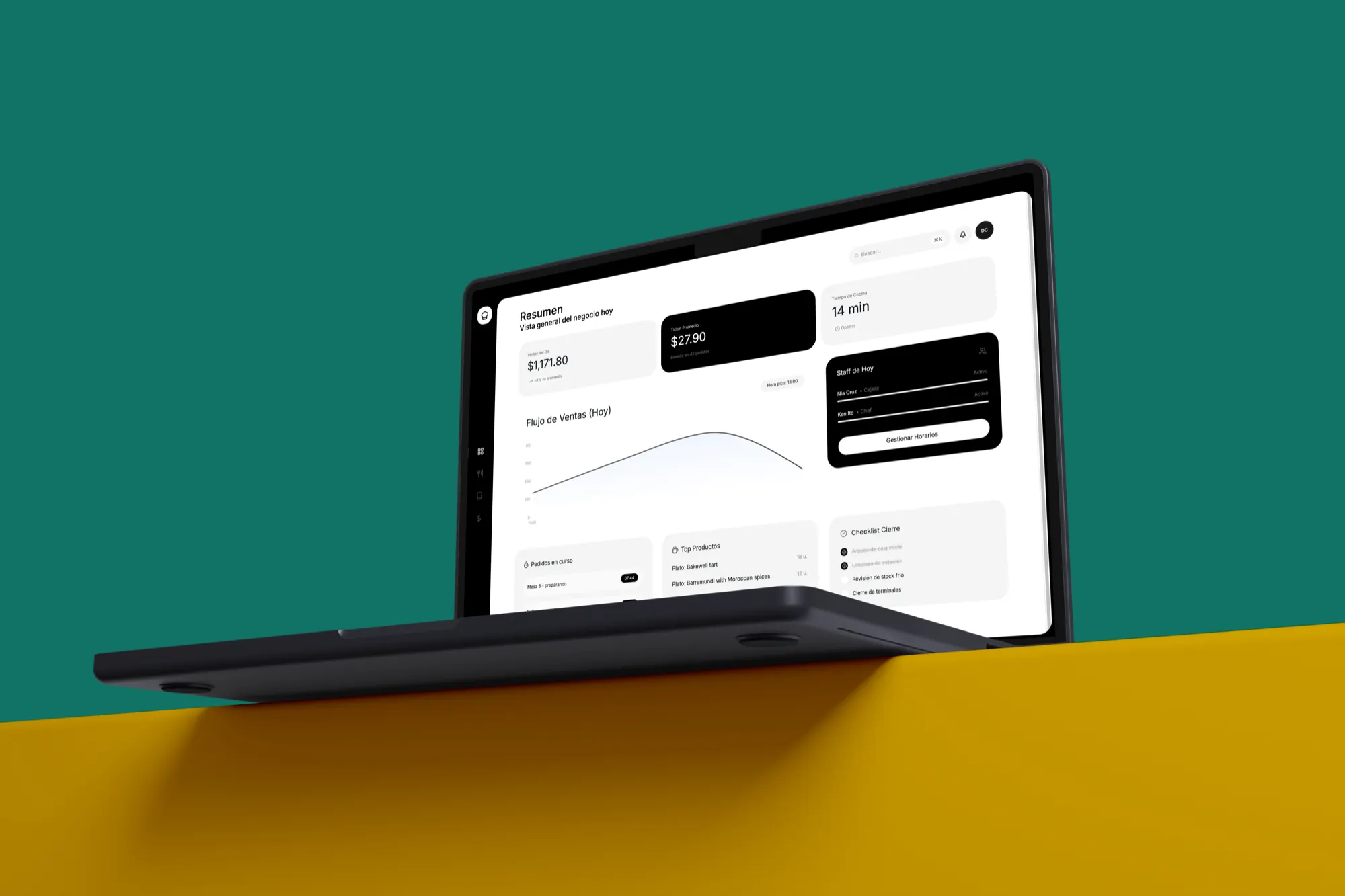
The kitchens that stop losing orders share one trait: they centralize information in a single source of truth. Every order enters the same stream. Every station sees the same ticket. Every modification is visible in real time. When the front of house changes an order, the kitchen knows immediately. When a dish is ready, the runner knows immediately. There is no gap for information to fall through.
Start with one station
You do not need to overhaul your entire operation on day one. Pick the station where the most errors happen — usually expo or the pass — and connect it to a live order stream. Watch what happens for one week. Most kitchens see a drop in remakes within the first three days. Once the team trusts the system, expand it to the rest of the line.
The best kitchens are not the ones that never make mistakes. They are the ones that make mistakes impossible.